HealFern may earn a commission if you buy through links on this page, at no extra cost to you. That does not change what we report.
Part of our GlycoFree overview. Last checked November 5, 2026.
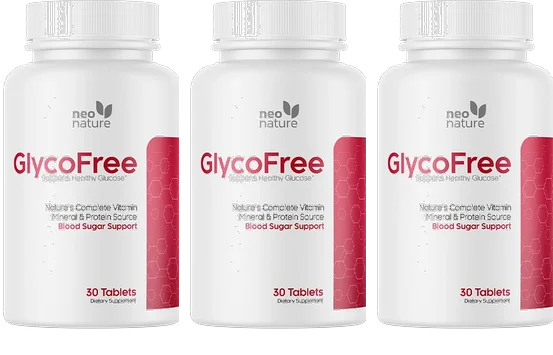
GlycoFree side effects have never been measured in a trial of the tablet, so the known risks come from its eight active ingredients, and the main one is blood sugar dropping too low in people who take diabetes medicine. The label pairs 400 mcg of chromium, 1143% of the Daily Value, with berberine, bitter melon, banaba and gynostemma, all of which can lower glucose.[1]
Is GlycoFree safe? Safety at a glance
For a healthy adult not on medicine, the ingredients have few reported problems at study doses, mostly stomach upset. For the people the vendor targets, adults with type 2 diabetes, the picture changes: several ingredients may add to insulin, metformin or sulfonylureas and raise the chance of a low.[2][3]
We searched FDA data on November 5, 2026. openFDA showed no recall records for GlycoFree or its distributor, and the CAERS adverse event database had no reports naming the product. FDA warning letters were not checked. No reports is not the same as proven safe, since the database holds only what people choose to report.
The hidden blend makes the risk harder to judge. Neither you nor your pharmacist can tell how much berberine, bitter melon or gynostemma one tablet holds, only that the seven share 200 mg. Chromium is the exception: 400 mcg is printed, inside the 200 to 1,000 mcg range used in trials.[2]
The label asks anyone pregnant or nursing, under 18, or with a medical condition to consult a physician.[1] Follow that.
What side effects are possible?
Three groups of effects show up in the ingredient research: digestive, sensitivity and medication-related.
Digestive
Berberine trials reported "only mild gastrointestinal adverse events".[4] Bitter melon can cause stomach problems, and inulin causes gas and bloating at higher fiber intakes, which matters for people with IBS or FODMAP sensitivity.[3][5] At about 29 mg per blend item, these may be mild or absent.
Sensitivity
NCCIH links larger or longer cinnamon use to stomach upset and allergic reactions.[6] Bitter melon seeds can trigger favism, so people with G6PD deficiency should be careful.[3]
Medication-related
The most serious risk is a low blood sugar from stacking glucose-lowering ingredients on diabetes drugs. A gynostemma trial added it to gliclazide on purpose to push glucose lower.[7]
Which ingredients deserve extra attention?
Four ingredients carry most of the safety notes, and the amounts of three are hidden in the blend.
| Ingredient | Safety issue | Why it matters |
|---|---|---|
| Bitter melon | Adds to insulin; case reports of atrial fibrillation, gastric ulcers, kidney inflammation; avoid in pregnancy | Most cautions of any item[3] |
| Berberine | Can harm newborns; not for pregnancy or breastfeeding | Dose in the blend unknown[8] |
| Cassia cinnamon | Contains coumarin; liver interactions reported | Concern with liver disease[6] |
| Chromium 400 mcg | Adds to insulin; kidney failure case reports at high picolinate doses | About 11 times the Daily Value[2][9] |
| Xylitol (sweetener) | Toxic to dogs; raised platelet reactivity in one study | Store away from pets[10] |
The kidney reports involved chromium picolinate; GlycoFree uses chromium polynicotinate. Gynostemma diabetes trials reported no hypoglycemia and no kidney, liver or digestive problems, though they ran only 4 to 12 weeks.[7] L-leucine is safe at a few grams a day, far above what the blend could hold. If a dog eats any tablets, call a vet right away, because of the xylitol.
Which medicines could interact?
Bring the label to a pharmacist if you take any of these groups. Most interactions are expected from how the ingredients work, not from formal studies.
- Insulin and sulfonylureas (such as gliclazide): chromium, bitter melon and gynostemma may add to the glucose drop.[2][3][7]
- Metformin and other diabetes drugs: berberine and banaba lower glucose too.[11]
- Levothyroxine: chromium may reduce its absorption.[2]
- Drugs cleared by CYP2C9 or carried by P-gp: bitter melon inhibits both, with unknown clinical relevance.[3]
- Blood thinners and antiplatelet drugs: a caution because of the xylitol platelet finding, not studied directly.[10]
Our GlycoFree for diabetes page covers the type 2 questions in more depth.
Pregnancy, breastfeeding and who should ask a doctor first
Skip GlycoFree or get a doctor's approval first if you are in any of these groups:
- Pregnant: bitter melon and berberine should be avoided[3][8]
- Breastfeeding, or caring for a newborn, because of berberine[8]
- Under 18, per the label[1]
- Taking any diabetes medicine
- Living with liver disease (cassia coumarin) or kidney disease (chromium reports)
- G6PD deficient, or with maple syrup urine disease (leucine)
Which symptoms need a doctor right away?
Stop taking it and get medical help right away if you notice:
- Shakiness, sweating, confusion or a fast heartbeat, which can signal low blood sugar
- A pounding or irregular heartbeat
- Severe stomach pain, vomiting or black stools
- Yellow skin or eyes, or dark urine
- Rash, swelling of the face or trouble breathing
- Much less urine than usual
High readings matter too; HealFern's guide to high blood sugar symptoms lists those.
Safety conclusion
If your doctor agrees to a trial run, a few habits lower the risk. Start with one bottle, test glucose more often for the first weeks and write the readings down. Tell your pharmacist the full ingredient list, since the sales page does not show it, and stop at the first sign of a low.
The tablet's own risk is unmeasured, and its ingredients point to one main danger: low blood sugar in people already on diabetes drugs. Healthy adults may notice nothing beyond mild stomach effects. Anyone pregnant, nursing, on diabetes or thyroid medicine, or with liver or kidney disease should talk to a doctor before the first tablet. The GlycoFree ingredients guide lists every item with its study dose, and our evidence check asks whether the risk buys any proven benefit.
Back to the GlycoFree overview.
Frequently asked questions
Can GlycoFree cause low blood sugar?
It can in people on diabetes medicine. Chromium, berberine, bitter melon, banaba and gynostemma can all lower glucose, and stacked on insulin, metformin or a sulfonylurea that may push readings too low. Check with your doctor and test more often.
Does GlycoFree upset the stomach?
It may. Berberine trials reported mild digestive effects, bitter melon can cause stomach problems, and inulin causes gas or bloating at higher fiber intakes. The blend doses are small, about 29 mg per item on average, so effects may be mild.
Can I take GlycoFree while pregnant?
Get your doctor's advice first, and expect a no. Bitter melon should be avoided in pregnancy, NCCIH says berberine is not for pregnancy or breastfeeding, and the GlycoFree label tells pregnant or nursing women to consult a physician.
Is GlycoFree safe for the kidneys?
No kidney study of GlycoFree exists. Kidney failure case reports involved high doses of chromium picolinate, while GlycoFree uses 400 mcg of chromium polynicotinate. Bitter melon has kidney inflammation case reports. People with kidney disease should ask a doctor first.
Is GlycoFree dangerous for dogs?
The tablets contain xylitol, a sweetener that is toxic to dogs. Keep bottles closed and out of a pet's reach, and call a vet right away if a dog eats any tablets.
Sources
- GlycoFree Supplement Facts label image. GlycoFree (vendor), read November 5, 2026.
- Chromium: Fact Sheet for Health Professionals (archived copy). NIH Office of Dietary Supplements, read October 19, 2026.
- Bitter Melon. Memorial Sloan Kettering Cancer Center, read October 2, 2026.
- Meta-analysis of berberine in NAFLD, 10 trials (PMID 38429794). PubMed, read October 19, 2026.
- Meta-analysis of 33 inulin-type fructan trials (PMID 34401107). PubMed, read October 2, 2026.
- Cinnamon. NIH National Center for Complementary and Integrative Health, read October 2, 2026.
- Gynostemma pentaphyllum added to gliclazide in type 2 diabetes (PMID 23125867). PubMed, read November 5, 2026.
- Goldenseal (berberine safety). NIH National Center for Complementary and Integrative Health, read October 19, 2026.
- Case report of kidney failure after chromium picolinate (PMID 9341071). PubMed, read October 19, 2026.
- Xylitol, platelet reactivity and cardiac events (PMID 38842092). PubMed, read October 20, 2026.
- Overview of systematic reviews of berberine (PMID 40269802). PubMed, read October 19, 2026.
This page is general information, not medical advice. Dietary supplements are not reviewed by the FDA for safety or effectiveness before they are sold and are not intended to diagnose, treat, cure or prevent any disease. Talk to your doctor before taking any supplement, especially if you are pregnant, nursing, take medication or have a health condition.